Patellar Bursitis
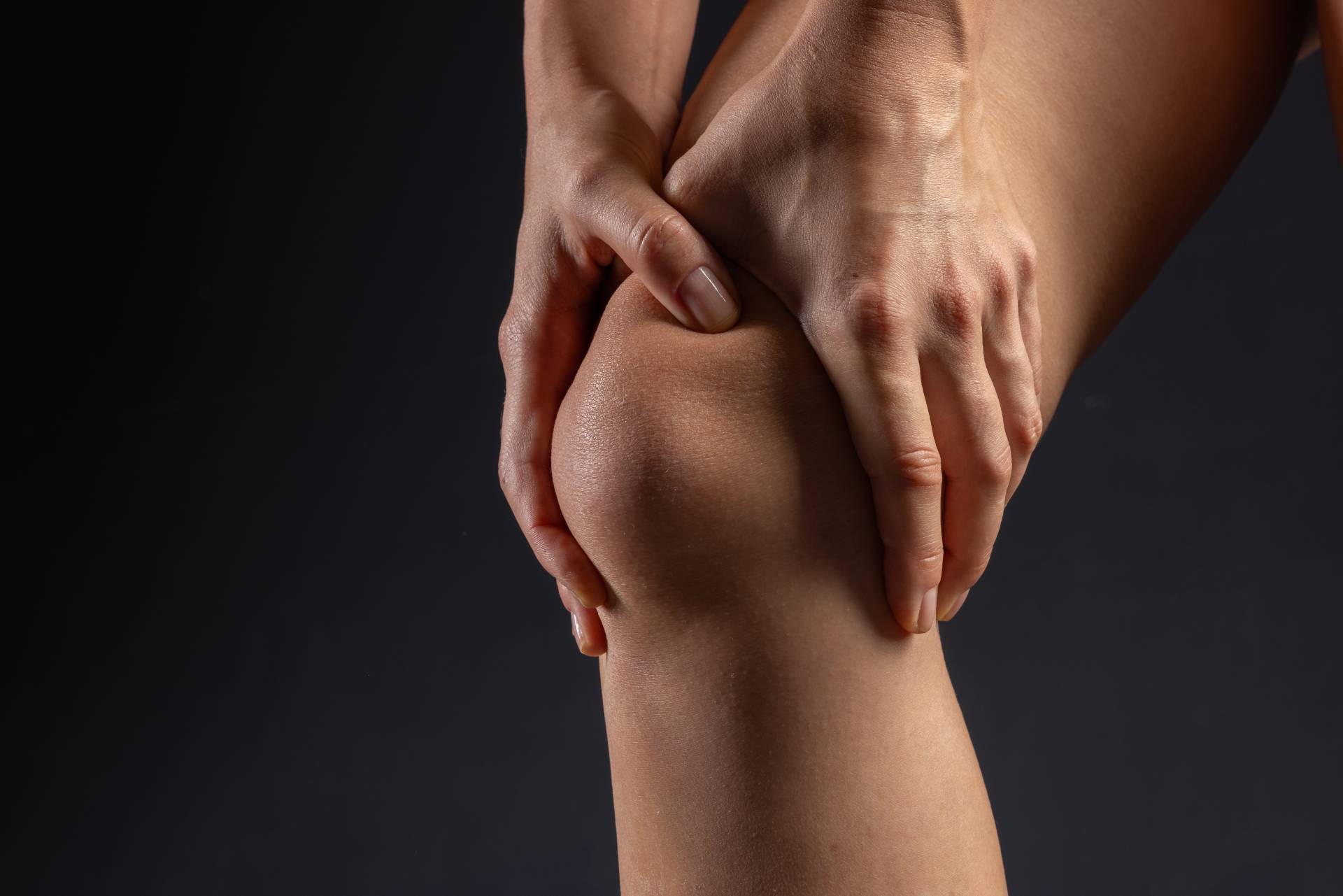
Patellar bursitis causes swelling, tenderness, and discomfort at the front of the knee. Pain is often aggravated by kneeling, heavy activity, or repeated pressure. Many patients describe a warm, puffy feeling around the kneecap that worsens throughout the day. Everyday tasks, such as getting up from the floor or kneeling, can become uncomfortable.
Understanding Patellar Bursitis
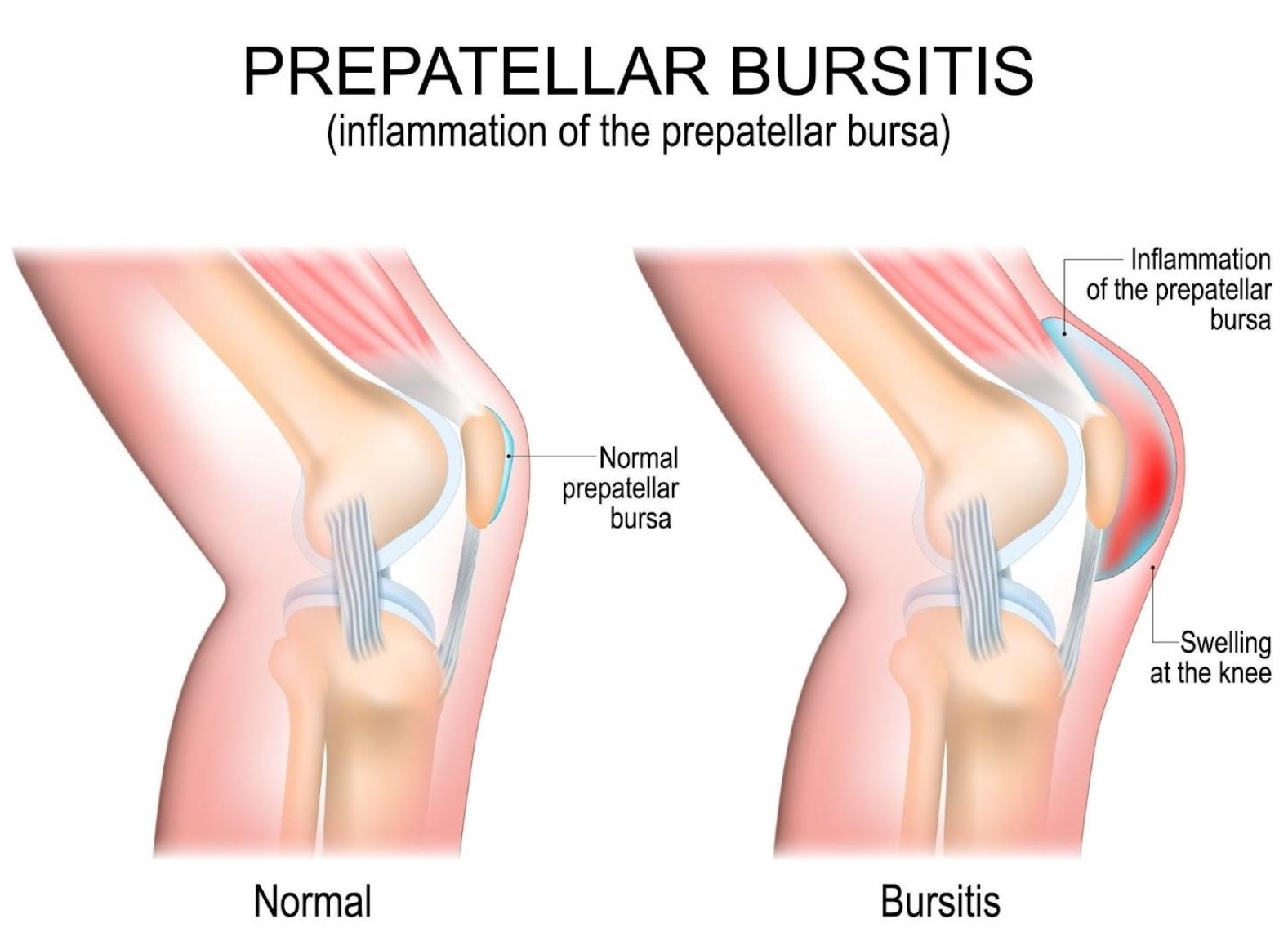
The patellar bursa is a small fluid-filled sac that helps reduce friction between the skin, tendon, and bone at the front of the knee. When inflamed, it can cause pain, swelling, and limited movement. Addressing the inflammation and supporting surrounding muscles is important for recovery and prevention of recurrence.
Assessment at The London Ultrasound Clinic
Your appointment includes a hands-on assessment and a detailed ultrasound scan. This allows us to confirm whether the bursa is inflamed and check if nearby structures, such as the patellar tendon, are overloaded. Differentiating true bursitis from other causes of anterior knee pain is essential to guide the most effective management.
Conservative Management
Many patients find relief with conservative care, which is usually the first step:
- Activity modification and pacing to reduce pressure on the bursa
- Targeted exercises to strengthen surrounding muscles and improve knee mechanics
- Advice on protective techniques for kneeling and daily activities
- Education and reassurance about recovery and prevention
These measures often reduce discomfort, restore function, and allow a return to everyday activities without invasive intervention.
Ultrasound-Guided Injection
In some cases, an ultrasound-guided steroid injection may be considered if conservative measures alone do not sufficiently reduce inflammation and pain. This allows precise delivery of medication directly into the bursa, calming swelling and improving comfort.
Recovery and Ongoing Care
Following assessment and any injection, your clinician will provide guidance on safe activity, exercises, and load management to support long-term knee health. Most patients notice gradual improvement over days to weeks, allowing a return to functional movement and reduced discomfort.
Our aim is to provide accurate diagnosis, tailored management, and clear guidance, helping you regain knee comfort and function while preventing flare-ups.