Hip Arthritis
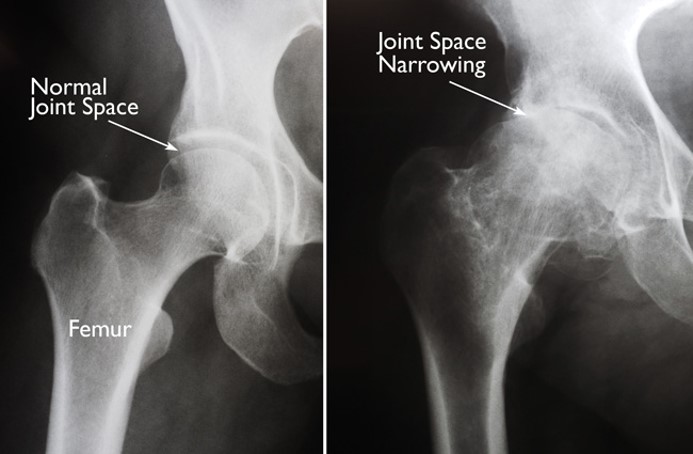
Hip arthritis occurs when the cartilage in the hip joint gradually wears down. Many patients experience deep, aching, or sharp pain in the groin, thigh, or buttock. Stiffness is often most noticeable first thing in the morning, and everyday tasks such as putting on shoes or socks, walking short distances, or climbing stairs can become uncomfortable. Over time, reduced hip movement may make routine activities more challenging and affect quality of life.
Understanding Hip Arthritis
This condition develops when the protective cartilage in the hip joint thins, leading to friction, inflammation, and discomfort. It may result from age-related wear, previous injury, or repetitive joint strain. Early recognition and tailored management can help maintain mobility, reduce pain, and preserve independence.
Assessment at The London Ultrasound Clinic
Your appointment begins with a hands-on assessment of hip movement, complemented by a high-resolution ultrasound scan. This allows us to assess the joint lining, cartilage, synovium, and surrounding tendons, confirming the diagnosis and providing a detailed understanding of the source of your discomfort.
Conservative Management
Many patients achieve meaningful relief with conservative care, which is usually the first line of treatment:
- Activity modification and pacing to reduce strain on the hip
- Targeted exercises to maintain strength, stability, and range of motion
- Advice on posture and hip protection during daily activities
- Education and reassurance about symptom management, prognosis, and lifestyle strategies
These measures often improve comfort, support joint health, and allow patients to remain active without invasive intervention.
Ultrasound-Guided Injection
When pain and inflammation persist despite conservative care, an ultrasound-guided injection using local anaesthetic and steroid can be offered. This technique ensures precise delivery of medication into the affected area of the joint, helping to reduce inflammation, ease pain, and often restore mobility more quickly.
Recovery and Ongoing Care
Following treatment, you will receive clear guidance on gentle strengthening, mobility exercises, and activity management to support long-term hip health. Most patients notice gradual improvement in pain, movement, and overall comfort over the following days and weeks, enabling a confident return to everyday activities.
Our goal is to provide a premium, personalised approach, combining expert assessment, precise treatment, and practical guidance to help you regain confidence, maintain comfortable hip function, and enjoy everyday life with ease.