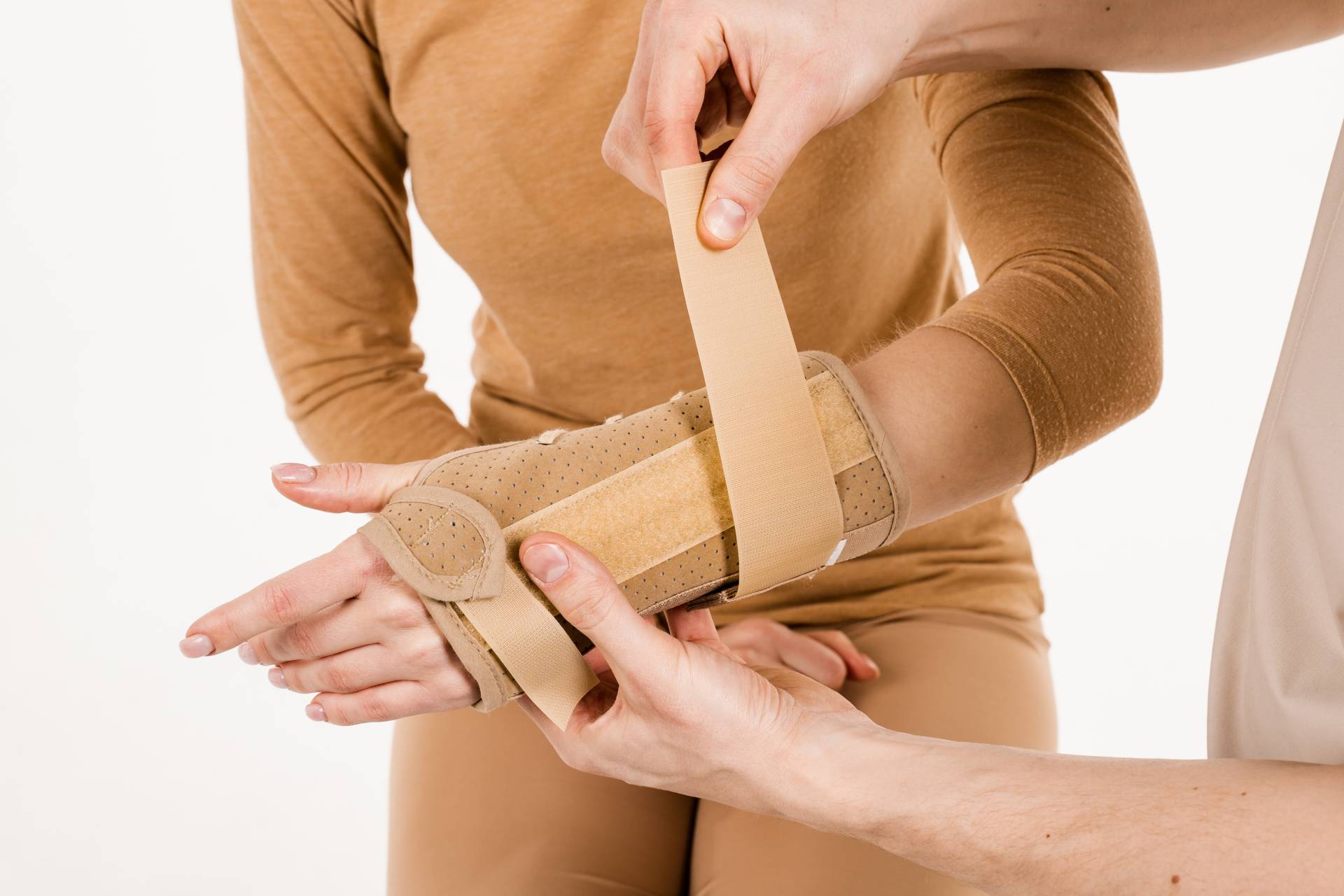
Carpal Tunnel Syndrome
Carpal tunnel syndrome occurs when the median nerve becomes compressed as it passes through the wrist. Many people notice tingling or numbness in the thumb, index, and middle fingers, night-time waking, weakness, or a tendency to drop objects. Symptoms often develop gradually and can interfere with sleep, work, and everyday activities.
Understanding Carpal Tunnel Syndrome
This condition develops when the space within the carpal tunnel narrows or pressure on the median nerve increases. This can cause nerve irritation, leading to tingling, numbness, and reduced hand strength. Left untreated, it may impact fine motor tasks and daily function.
Assessment at The London Ultrasound Clinic
Your appointment includes a hands-on clinical assessment and a high-resolution ultrasound scan of the wrist. This allows us to assess the median nerve directly, checking for swelling, reduced movement, or narrowing within the carpal tunnel. Ultrasound provides clear diagnostic information and helps guide management decisions.
Conservative Management
Many patients respond well to conservative treatment, which is usually the first step:
- Wrist splinting, particularly at night, to reduce pressure on the nerve
- Activity pacing and ergonomic advice to protect the wrist
- Gentle nerve and hand exercises to maintain movement and strength
- Education and reassurance about symptom progression and recovery
These measures often reduce symptoms significantly, especially in mild to moderate cases.

Ultrasound-Guided Injection
If symptoms persist despite conservative care, an ultrasound-guided steroid injection can help reduce inflammation around the nerve and improve comfort. Ultrasound guidance ensures accurate placement while avoiding nearby tendons and blood vessels.
Recovery and Ongoing Care
Following treatment, we provide guidance on hand use, exercises, and symptom monitoring to support recovery and reduce recurrence. Most patients notice gradual improvement in sensation, strength, and night-time symptoms over the following weeks, allowing a safe return to everyday activities.
Our aim is to provide a clear diagnosis, appropriate treatment, and practical support, helping you restore hand function, improve sleep, and regain confidence in daily tasks.