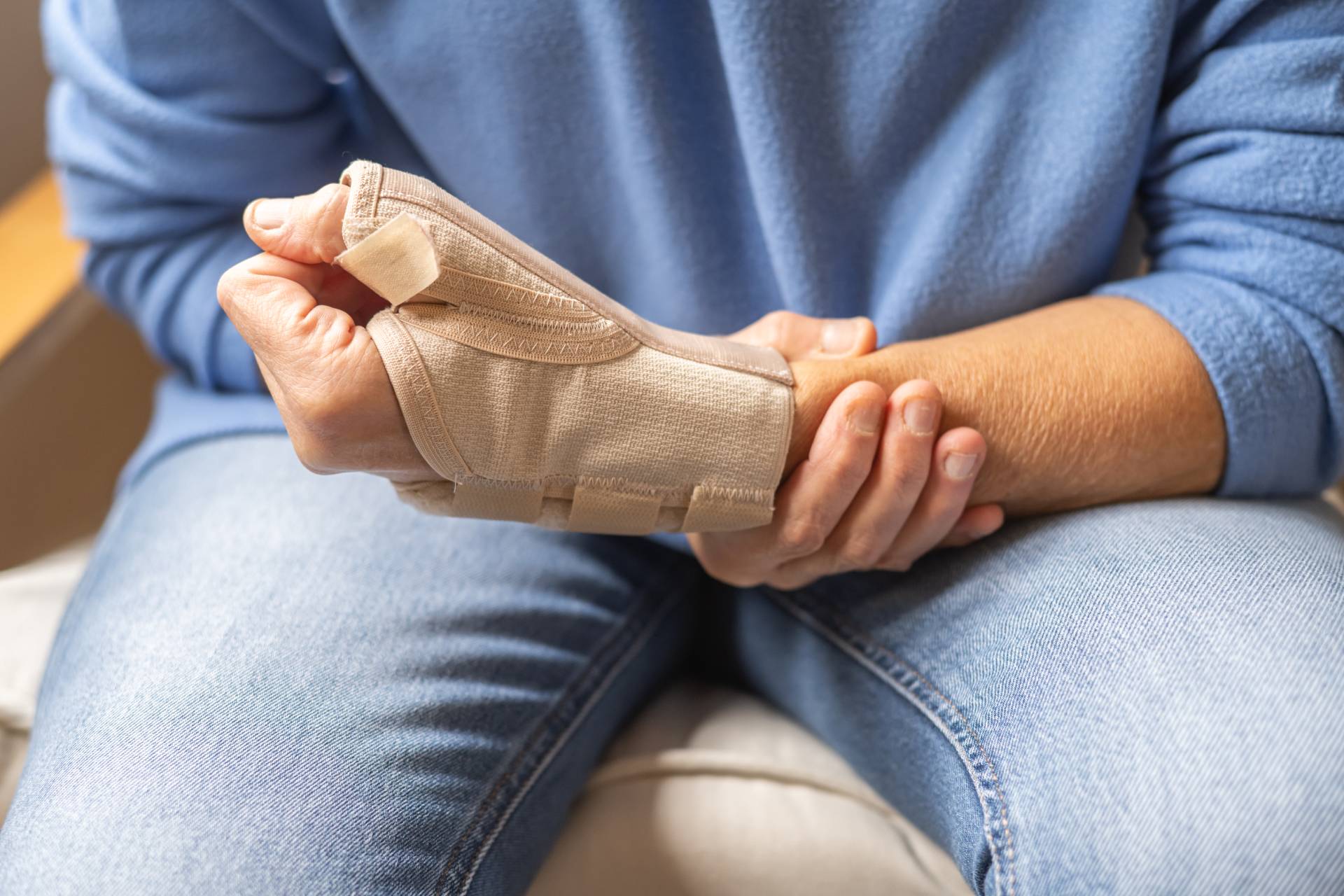
Thumb Arthritis
Thumb arthritis most commonly affects the base of the thumb, leading to pain, stiffness, and reduced grip strength. Many people notice discomfort when opening jars or bottles, turning keys, using a phone, or performing fine tasks. Symptoms often build up after repeated use, leaving the thumb feeling sore or weak by the end of the day.
Understanding Thumb Arthritis
This condition occurs when the cartilage at the base of the thumb, known as the carpometacarpal joint, begins to wear down. This can lead to inflammation, pain, and difficulty with gripping or pinching tasks. Over time, the joint may feel stiff, and daily activities can become more challenging.
Assessment at The London Ultrasound Clinic
Your appointment includes a hands-on assessment and a high-resolution ultrasound scan of the thumb. This allows us to assess the carpometacarpal joint, confirm whether there is inflammation or wear, and evaluate surrounding tendons and ligaments, which can also contribute to discomfort.
Conservative Management
Many patients find relief through conservative measures, which are usually the first step in treatment:
- Activity modification and joint protection strategies to reduce strain on the thumb
- Targeted exercises to support thumb stability, strength, and function
- Advice on splints or supports where appropriate
- Education and reassurance to help manage symptoms and protect the joint long term
These approaches often help reduce pain, maintain function, and improve hand use without the need for invasive treatment.

Ultrasound-Guided Injections
If pain continues despite conservative care, an ultrasound-guided injection using steroid and local anaesthetic can help reduce inflammation and improve comfort. Ultrasound guidance ensures the medication is placed accurately within the joint, helping to ease pain and support better grip and hand function.
Recovery and Ongoing Care
After treatment, we provide clear guidance on exercises, load management, and daily activity to protect the joint and maintain function. Most patients notice gradual improvement in pain, strength, and hand use over several weeks, allowing everyday tasks to feel easier and more comfortable.
Our aim is to provide a clear diagnosis, carefully chosen treatment, and practical advice, helping you regain confidence in your hand and return to daily activities with comfort and ease.