Cubital Tunnel Syndrome
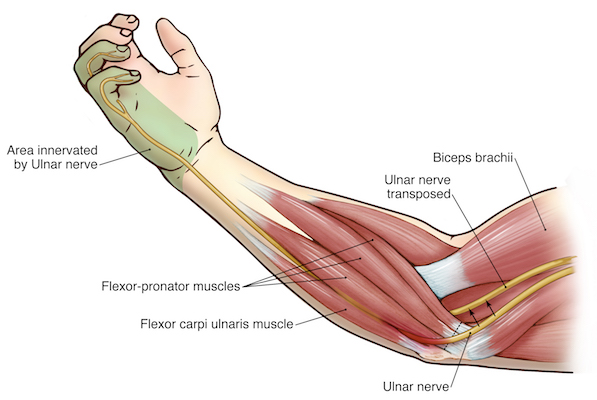
Cubital tunnel syndrome occurs when the ulnar nerve becomes irritated or compressed as it passes behind the inner elbow. Many people notice tingling or numbness in the ring and little fingers, aching in the forearm, and difficulty gripping or lifting objects. Symptoms often worsen at night or when the elbow is kept bent for long periods.
Understanding Cubital Tunnel Syndrome
This condition develops when the ulnar nerve is compressed or irritated by surrounding tissues. In some cases, this may be due to anatomical variations, repetitive elbow bending, or external pressure.
Assessment at The London Ultrasound Clinic
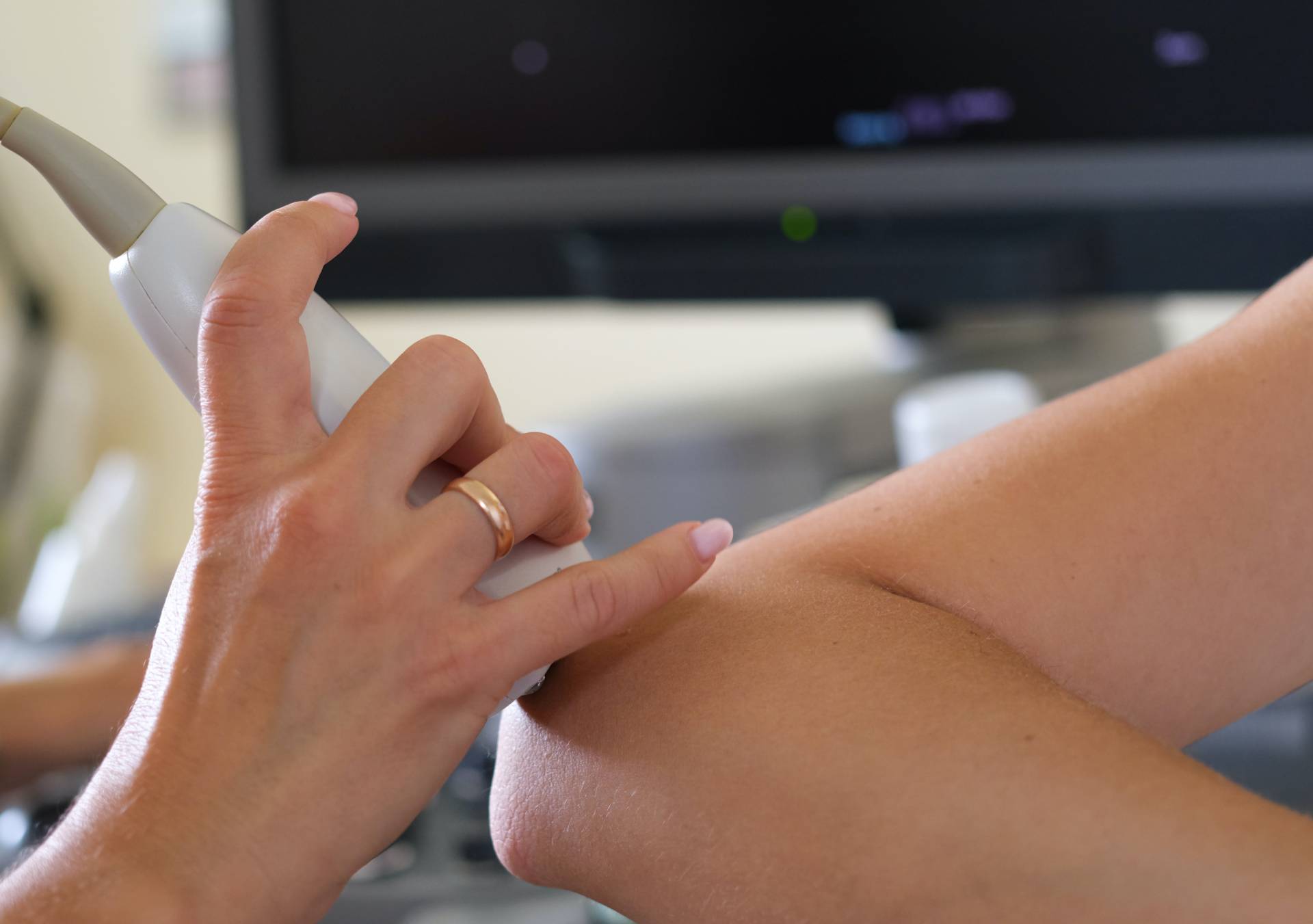
Your appointment includes a hands-on assessment and a detailed ultrasound scan of the ulnar nerve and surrounding structures. This allows us to check for swelling, nerve displacement, or compression, providing a clear understanding of why your symptoms are occurring.
Conservative Management
Many patients respond well to conservative approaches, which are usually the first step in treatment:
- Activity modification and ergonomic advice to reduce strain on the nerve
- Gentle strengthening and stretching exercises for the arm and forearm
- Splints or guidance on elbow positioning, particularly for night-time comfort
- Education and reassurance about the condition and what to expect during recovery
These measures often reduce symptoms and improve function, particularly in mild or early cases.
Ultrasound-Guided Injection
If symptoms persist despite conservative care, an ultrasound-guided steroid injection around the ulnar nerve can help calm inflammation and improve comfort. Steroid is only offered when it is appropriate and safe.
Rehabilitation and Recovery
After any intervention, a structured rehabilitation plan is essential. This includes exercises to maintain nerve mobility, restore strength, and prevent recurrence. Most patients notice gradual improvement in tingling, numbness, and grip strength over several weeks, allowing a comfortable return to daily tasks.
Our aim is to provide clear guidance, effective treatment, and a supportive experience, helping you regain arm comfort, restore function, and carry out daily activities with confidence.