Golfer’s Elbow
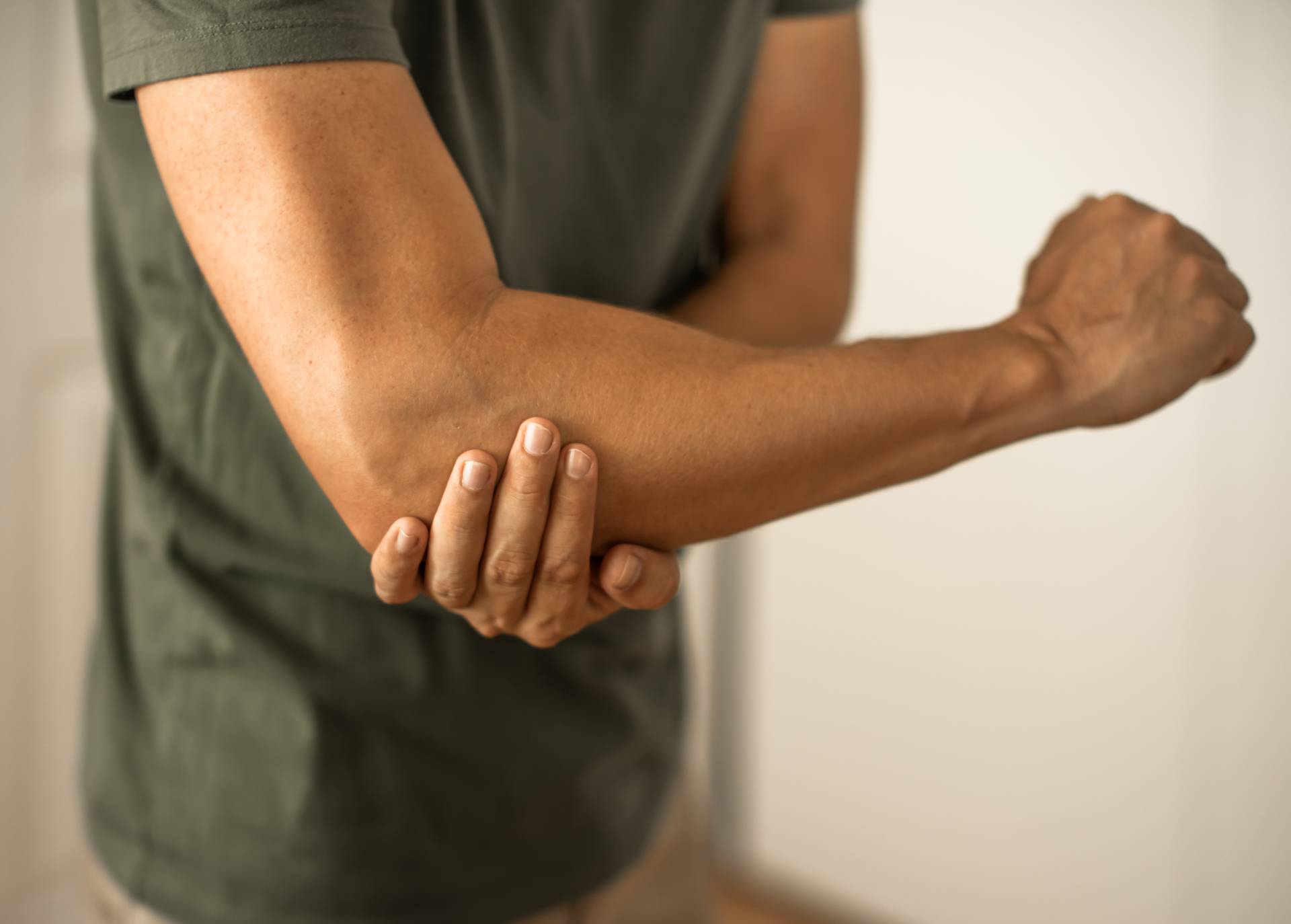
Golfer’s elbow causes pain on the inside of the elbow, where the flexor tendons attach. You do not need to play golf to develop it. Many people notice discomfort when lifting, gripping tightly, typing for long periods, or performing repetitive manual tasks. The area can feel tender, and pain often builds over the course of the day.
Understanding Golfer’s Elbow
This condition usually develops gradually due to overuse or strain of the forearm flexor muscles. In some cases, the tendon may become thickened or develop small areas of degeneration.
Assessment at The London Ultrasound Clinic
Your appointment includes a hands-on assessment and a detailed ultrasound scan of the elbow joint and tendons. This allows us to confirm the diagnosis, identify tendon changes, and rule out other causes of elbow pain.
Conservative Management
Many patients benefit from conservative care, which is usually the first step in treatment:
- Targeted rehabilitation exercises to strengthen the flexor tendons and improve resilience
- Activity modification and load management to reduce strain on the tendon
- Pain relief or anti-inflammatory strategies when appropriate
- Education and reassurance about the condition and what to expect during recovery
These approaches often reduce symptoms, restore function, and prevent flare-ups without the need for injections.
Ultrasound-Guided Injection
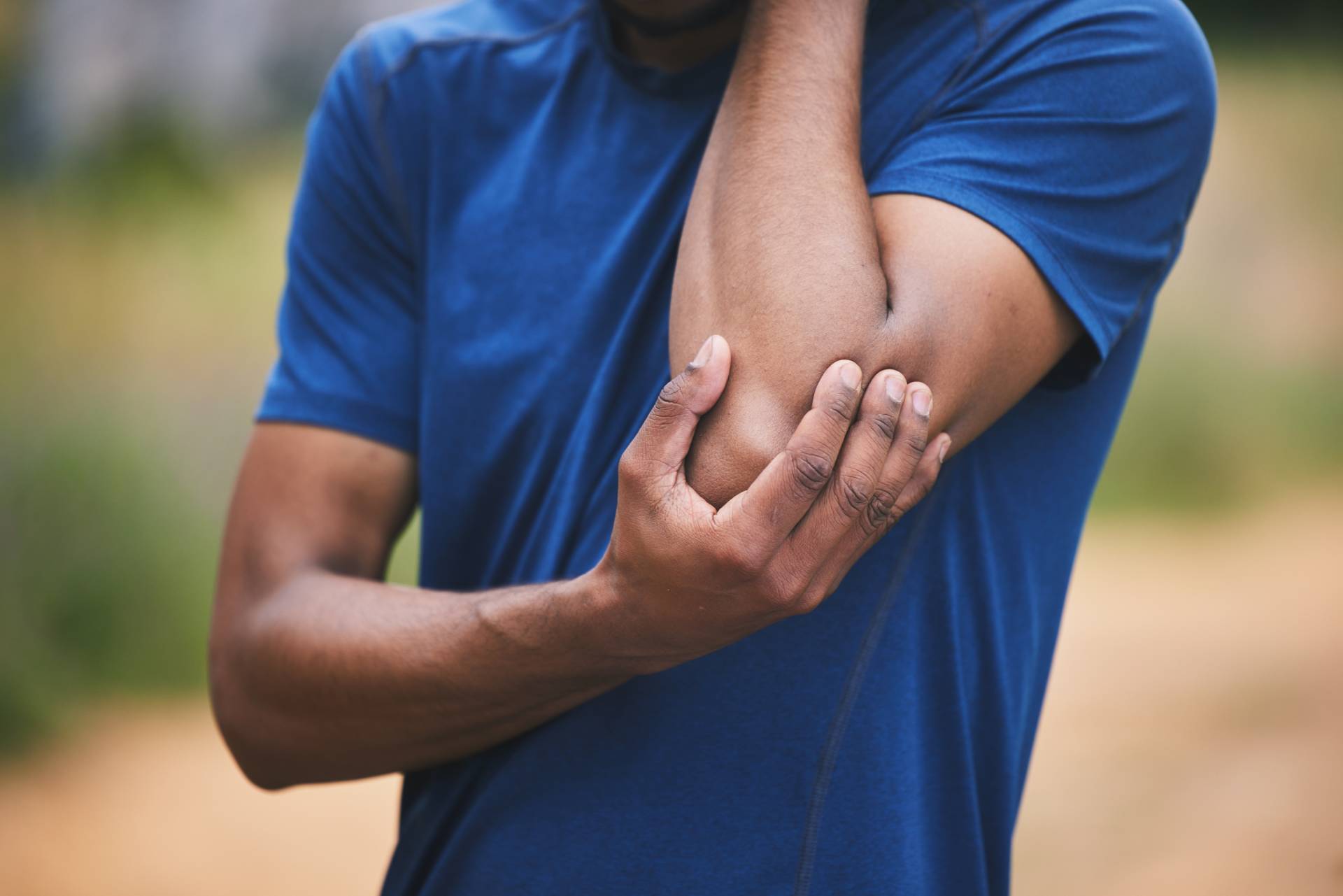
If symptoms persist despite conservative care, ultrasound-guided treatments may be recommended. Options include:
- Dry needling or shockwave therapy to stimulate healing and relieve tendon irritation
- Ultrasound-guided steroid injection in select cases where inflammation is prominent, usually combined with local anaesthetic for comfort
Steroid injections are not always indicated, particularly in chronic or degenerative cases. Our approach is tailored to each patient, with the goal of reducing pain while supporting tendon healing and safe return to normal activity.
Rehabilitation and Recovery
After any intervention, a structured rehabilitation programme is essential. This includes exercises, gradual loading, and movement strategies to restore function, strength, and flexibility. Most patients notice gradual improvement over several weeks, with increased ability to perform daily tasks and work activities comfortably.
Our aim is to provide clear guidance, effective treatment, and a supportive experience, helping you regain elbow comfort, restore function, and return to everyday activities with confidence.