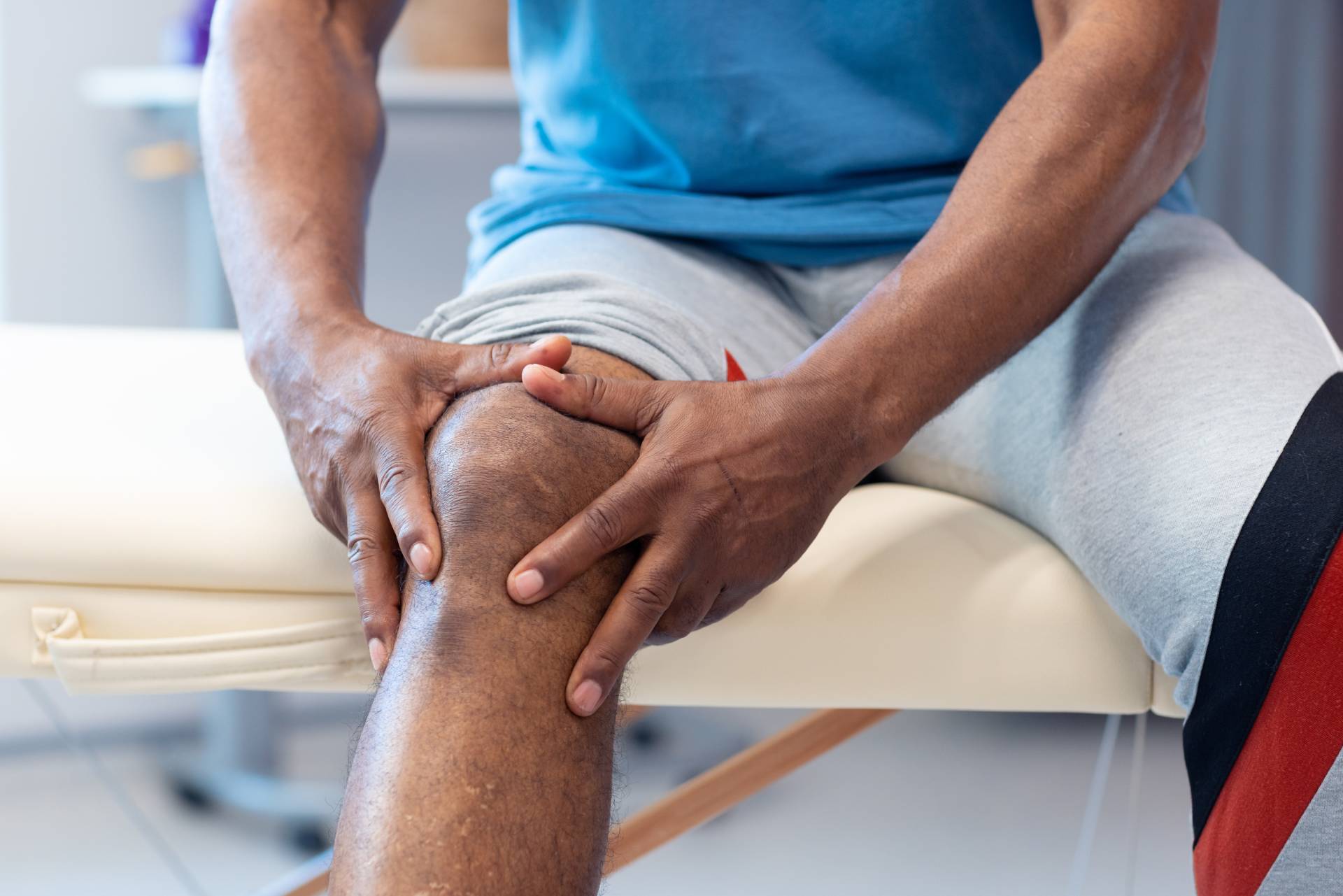
Meniscus Tear
A meniscus problem can cause sharp, localised pain along the joint line of the knee, intermittent swelling, or a catching or locking sensation. Many patients notice difficulty squatting, twisting, or fully straightening the leg. Symptoms may fluctuate, sometimes improving with rest but worsening with activity.
Understanding Meniscus Tears
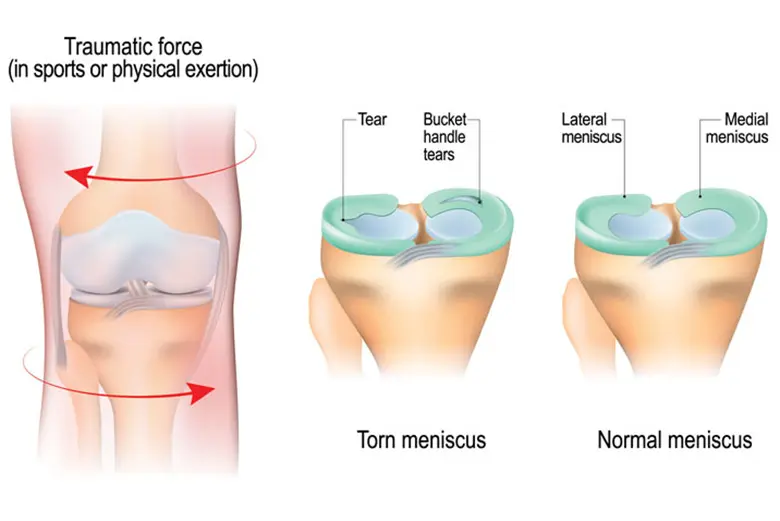
The meniscus provides cushioning and stability for the knee joint. When it is injured or torn, it can lead to pain, swelling, reduced movement, and a feeling of instability. Meniscus problems can develop gradually through wear and tear or occur suddenly following a twisting injury.
Assessment at The London Ultrasound Clinic
Your appointment includes a hands-on assessment of the knee and a detailed ultrasound scan. While ultrasound cannot visualise the inner meniscus as clearly as MRI, it is highly effective for assessing associated inflammation, joint irritation, ligament involvement, and swelling. This allows us to provide a detailed understanding of your knee problem and guide a personalised treatment plan.
Conservative Management
Many patients achieve meaningful relief with conservative care, which is usually the first step:
- Activity modification to reduce strain on the knee
- Targeted exercises to strengthen surrounding muscles and improve joint stability
- Guidance on safe movement patterns and load management
- Education and reassurance about expected recovery
These measures often reduce pain, improve function, and support a return to normal activities without the need for invasive intervention.
Ultrasound-Guided Injection
For patients with persistent pain or inflammation, an ultrasound-guided injection can be highly effective. Using local anaesthetic and steroid, the injection is precisely delivered to calm surrounding inflammation, relieve pain, and create a window for rehabilitation exercises to be performed more comfortably.
Recovery and Ongoing Care
Following treatment, your clinician will provide guidance on safe exercises, strengthening, and activity management to support healing and prevent recurrence. Most patients notice gradual improvement in pain, range of motion, and function over the following weeks, restoring confidence and ease in daily activities.
Our aim is to provide a premium, personalised approach, combining clear diagnosis, effective treatment, and practical guidance to help you regain comfort, mobility, and knee function.