Patellar Tendinopathy
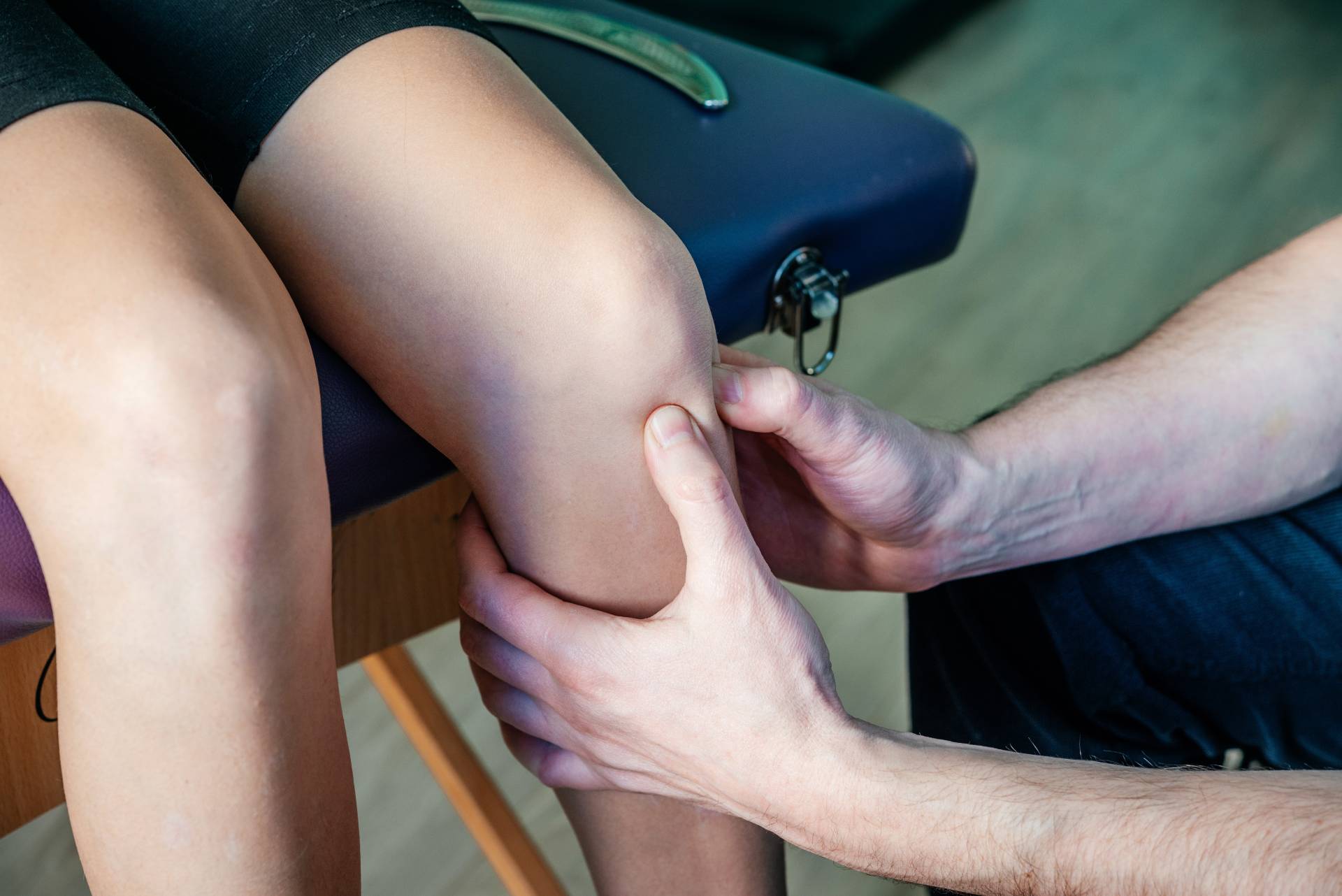
Patellar tendinopathy causes pain just below the kneecap and is often most noticeable during running, jumping, climbing stairs, or repeated squatting. Many patients describe a deep, persistent ache that may feel slightly better during activity but worsens later in the day. Over time, the tendon can become thickened, sensitive, and more prone to discomfort even during everyday movements.
Understanding Patellar Tendinopathy
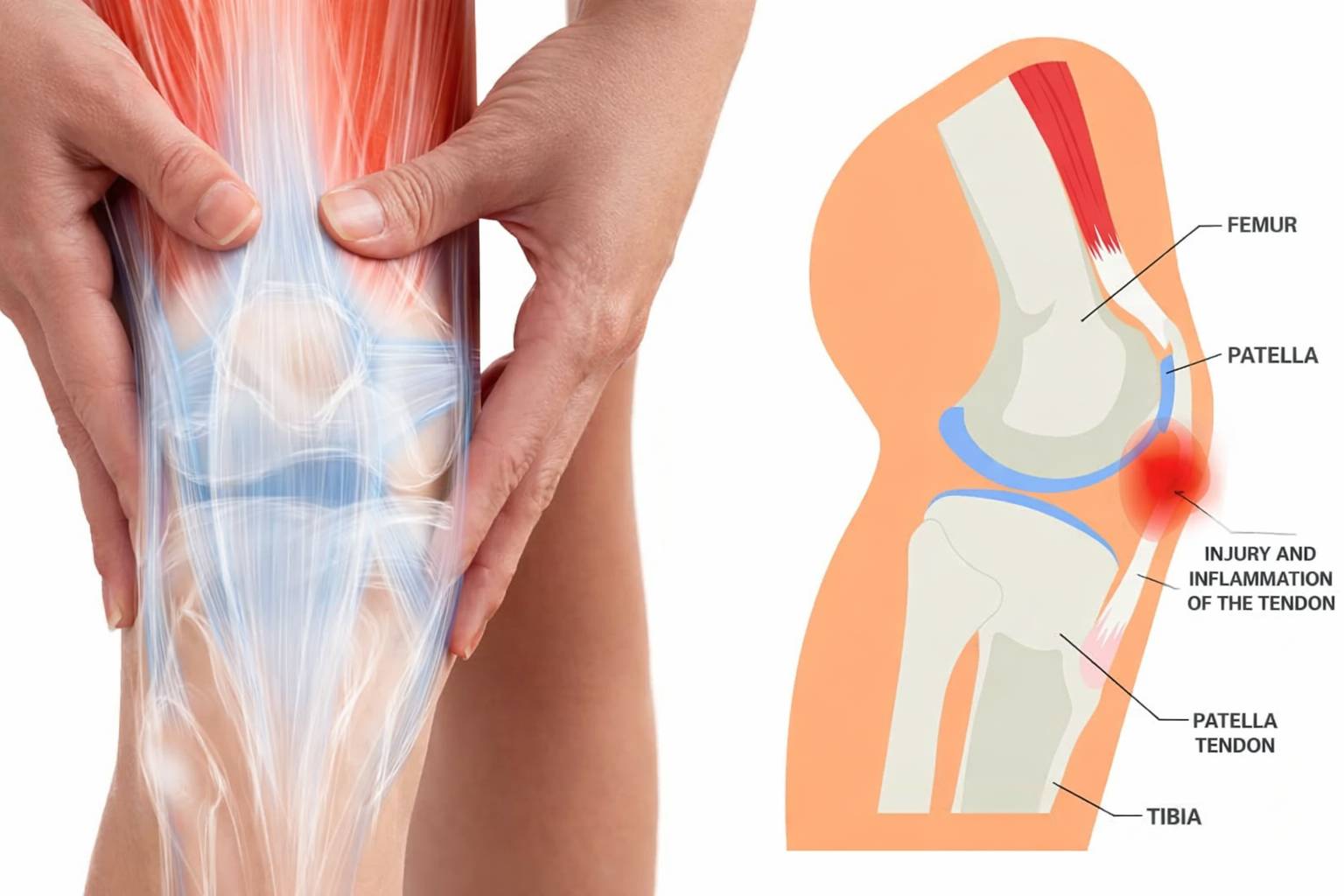
The patellar tendon connects the kneecap to the shinbone and helps transfer force from the quadriceps to the lower leg. Overuse or repeated strain can cause irritation, micro-tears, and thickening, resulting in pain and functional limitations. Early assessment and structured management can help relieve discomfort and support recovery.
Assessment at The London Ultrasound Clinic
Your appointment includes a hands-on assessment and a detailed ultrasound scan of the patellar tendon. This allows us to identify thickening, areas of degeneration, or irritation at the tendon insertion on the kneecap. Understanding the tendon’s condition guides safe loading, rehabilitation, and management decisions.
Conservative Management
Most patients benefit from a structured, conservative approach, which may include:
- Activity modification to reduce repetitive stress on the tendon
- A progressive strengthening programme targeting the quadriceps and surrounding muscles
- Advice on warm-up, stretching, and load management during sport or daily activities
- Education and reassurance about tendon recovery and realistic expectations
These measures often improve pain, function, and tendon resilience, sometimes without the need for injection.
Ultrasound-Guided Injection
For patients with persistent or significant pain, an ultrasound-guided injection using local anaesthetic and steroid in selected cases , can help settle tendon sensitivity. Precise placement under ultrasound ensures the medication reaches the affected area, easing discomfort and allowing rehabilitation exercises to be performed more effectively.
Recovery and Ongoing Care
Following assessment and any injection, your clinician will provide guidance on exercise, load management, and a gradual return to activity. Recovery focuses on rebuilding tendon strength, control, and confidence, enabling a return to sport or everyday movements with less pain and a reduced risk of recurrence.
Our aim is to provide clear diagnosis, tailored management, and practical guidance, helping you regain knee comfort, restore function, and return to the activities you enjoy.