Retrocalcaneal Bursitis
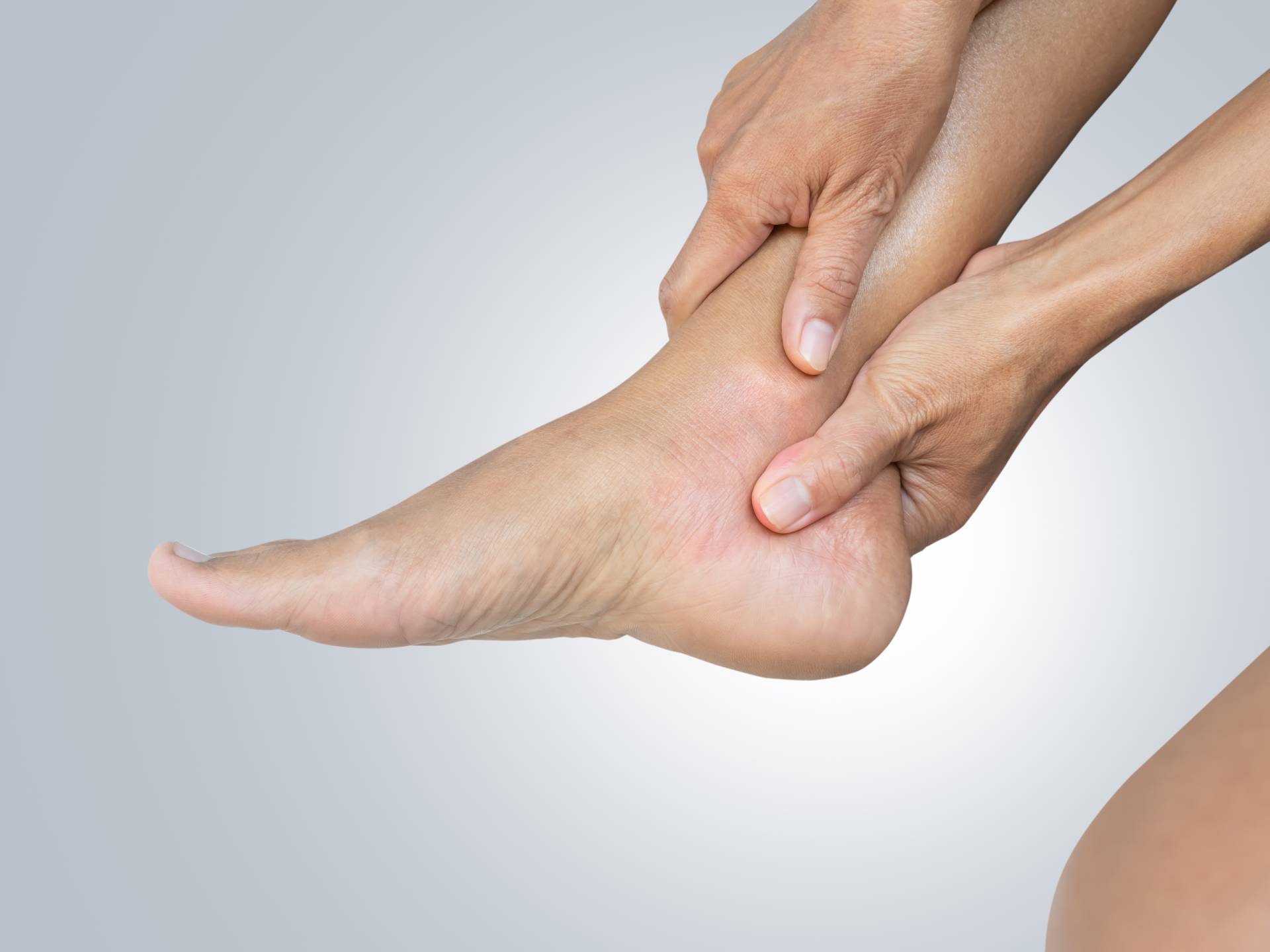
Retrocalcaneal bursitis causes pain and swelling at the back of the heel, just above the Achilles tendon. Many patients notice discomfort when walking, running, or wearing shoes that press on the heel. The area may feel tender, warm, or stiff, and pain often worsens during activity or when rising onto the toes.
Assessment at The London Ultrasound Clinic
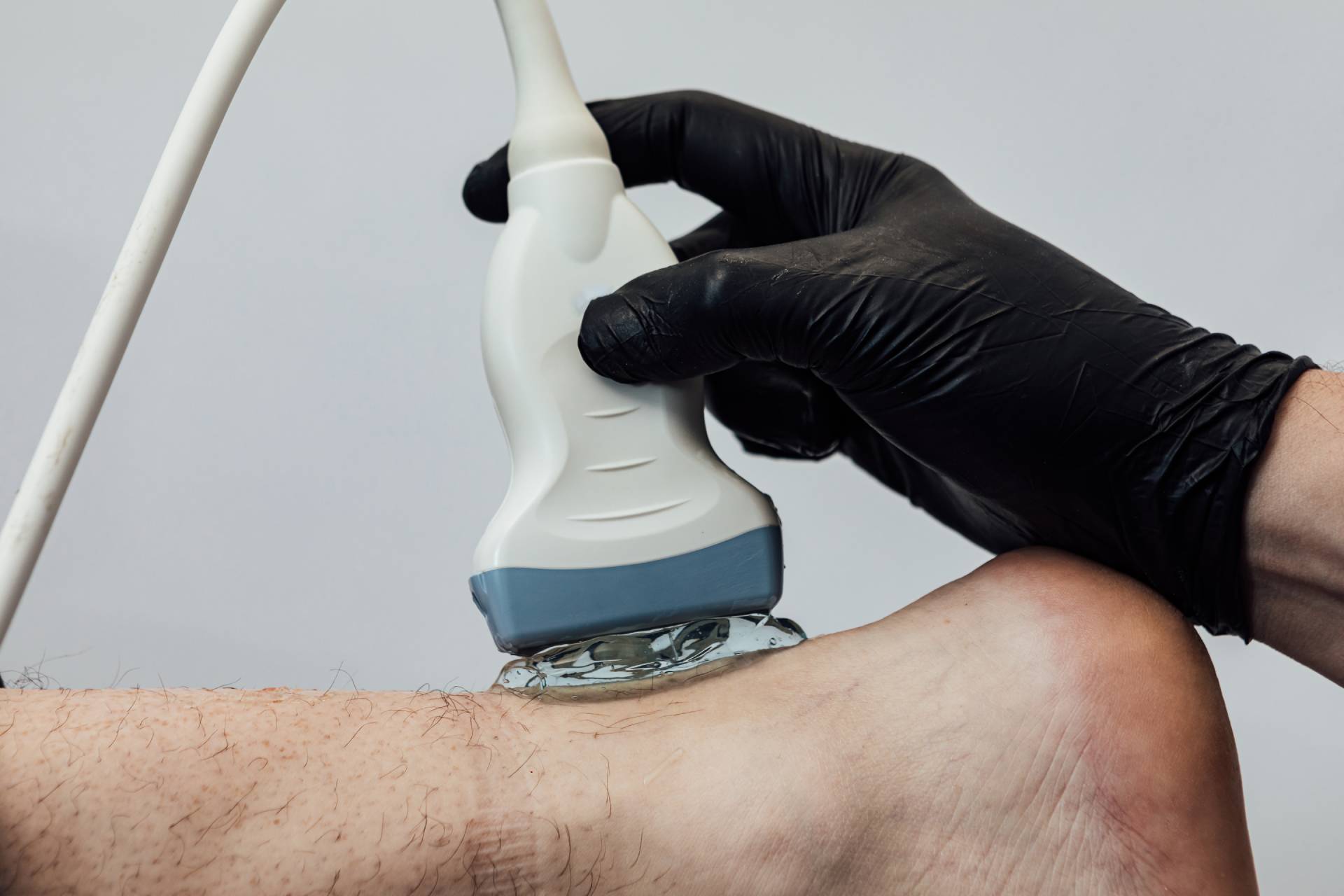
Your appointment includes a hands-on assessment of the ankle and heel to identify tenderness, swelling, and movement limitations. A high-resolution ultrasound scan is then used to visualise the retrocalcaneal bursa, the Achilles tendon, and surrounding tissues. This allows us to confirm inflammation and rule out other sources of posterior heel pain.
Conservative Management
Initial management usually focuses on:
- Activity modification to reduce repetitive stress on the heel
- Footwear advice, including heel lifts or cushioning to reduce pressure
- Targeted stretching and strengthening of the calf and Achilles tendon
- Education and reassurance about the condition and expected recovery
These measures often help reduce pain, improve function, and support a gradual return to activity without the need for injection.
Ultrasound-Guided Injection
When pain persists despite conservative care, an ultrasound-guided injection can be offered. The injection contains local anaesthetic and steroid and is placed precisely into the inflamed bursa. This reduces swelling and discomfort, allowing patients to move more comfortably and progress safely with rehabilitation exercises.
Recovery and Ongoing Care
Following assessment and any injection, your clinician will provide a tailored rehabilitation plan to support long-term heel health. Many patients notice gradual improvement in pain, walking comfort, and function over the following weeks. Ongoing guidance on activity pacing, calf strengthening, and footwear helps prevent recurrence and ensures sustained relief.