
Calcific Tendinosis
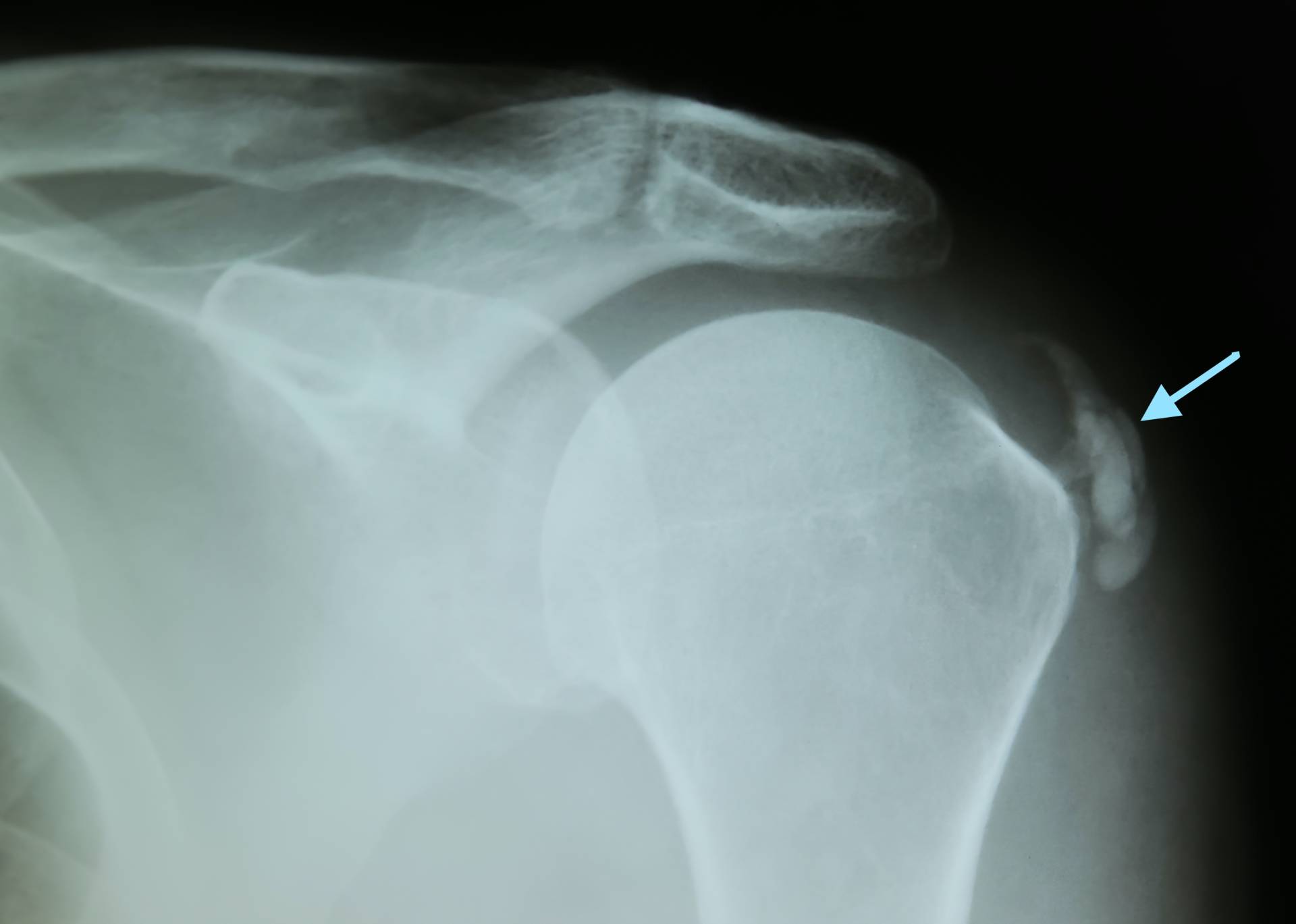
Calcific tendinosis occurs when calcium deposits build up within the rotator cuff tendons, most often the supraspinatus. At The London Ultrasound Clinic, we often see patients who develop sudden, severe shoulder pain that can feel like it appeared out of nowhere. The calcium deposits can irritate the surrounding tissues, making lifting, reaching, and even resting the arm very uncomfortable.
Everyday tasks such as brushing your hair, putting on a jacket, or reaching behind your back can become difficult. Sleep is frequently affected, and flare-ups can be intense. The good news is that ultrasound can clearly show these deposits, allowing us to confirm the diagnosis quickly and plan targeted treatment.
Conservative Management
Many patients benefit initially from non-invasive approaches, including:
- Activity modification to reduce strain on the shoulder
- Guided physiotherapy to maintain mobility and strengthen surrounding muscles
- Pain relief and anti-inflammatory medication if required
- Education and reassurance about the condition and expected recovery
These measures often help manage symptoms while the body adapts, particularly in mild cases or between flare-ups.
Ultrasound-Guided Treatments
When pain is persistent or severe, ultrasound-guided interventions can provide faster relief:
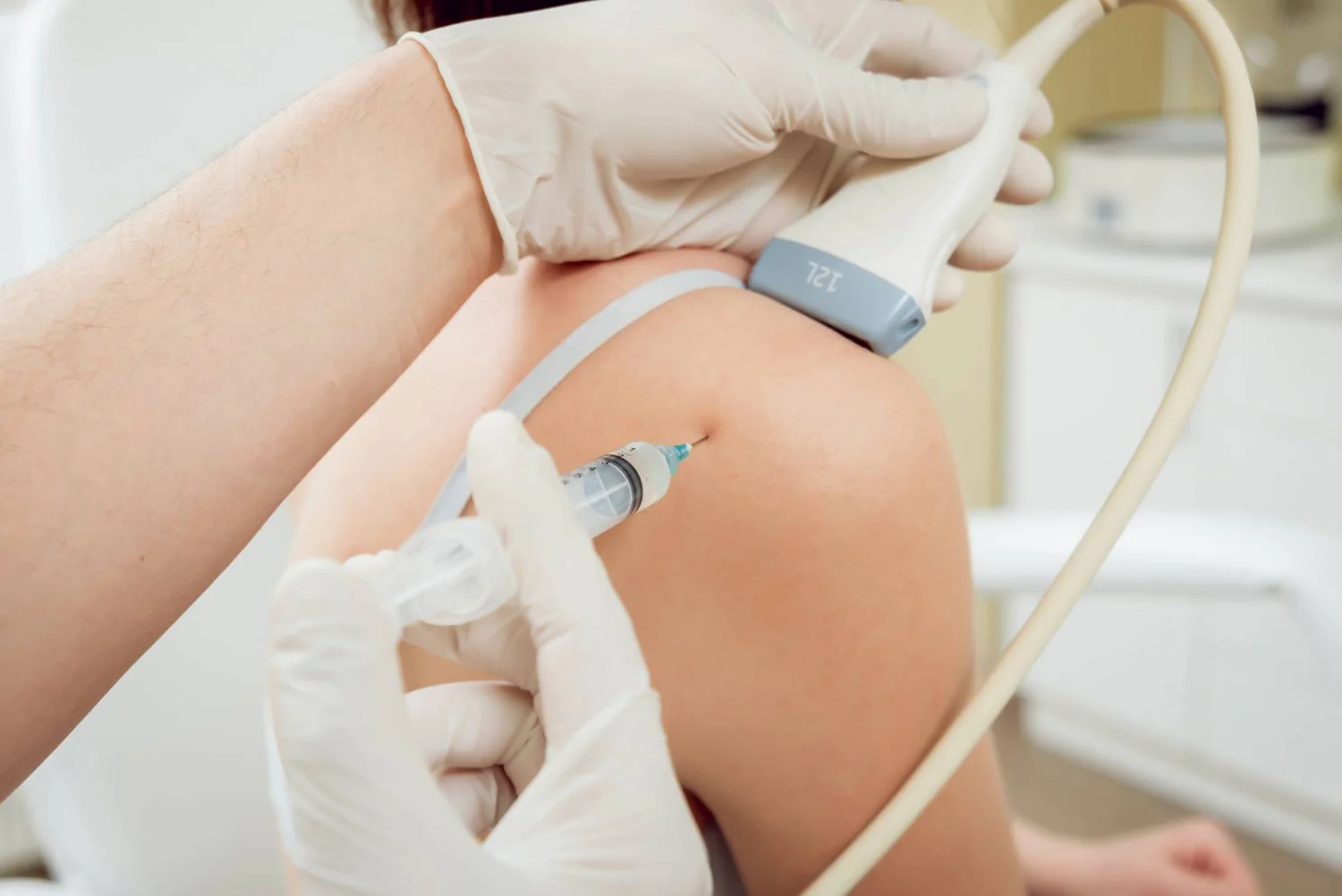
- Barbotage is a minimally invasive procedure where a fine needle is used under ultrasound guidance to break down and wash out the calcium deposit. Local anaesthetic and sometimes steroid are used to reduce discomfort and inflammation during the procedure. Barbotage can help the tendon and surrounding structures heal more effectively, improving pain and movement.
- Targeted steroid injections can also be used to calm inflammation, particularly if the calcium deposit is causing significant pain or impingement. Local anaesthetic ensures the injection is comfortable and well tolerated.
Rehabilitation and Recovery
After treatment, guided exercises and activity advice are important to restore shoulder mobility, build strength, and prevent future flare-ups. Most patients notice gradual improvement in pain and function in the days to weeks following treatment.
Our aim is to provide clear diagnosis, effective treatment, and a supportive experience, helping you regain shoulder comfort, restore movement, and return to daily activities and restful sleep with confidence.


